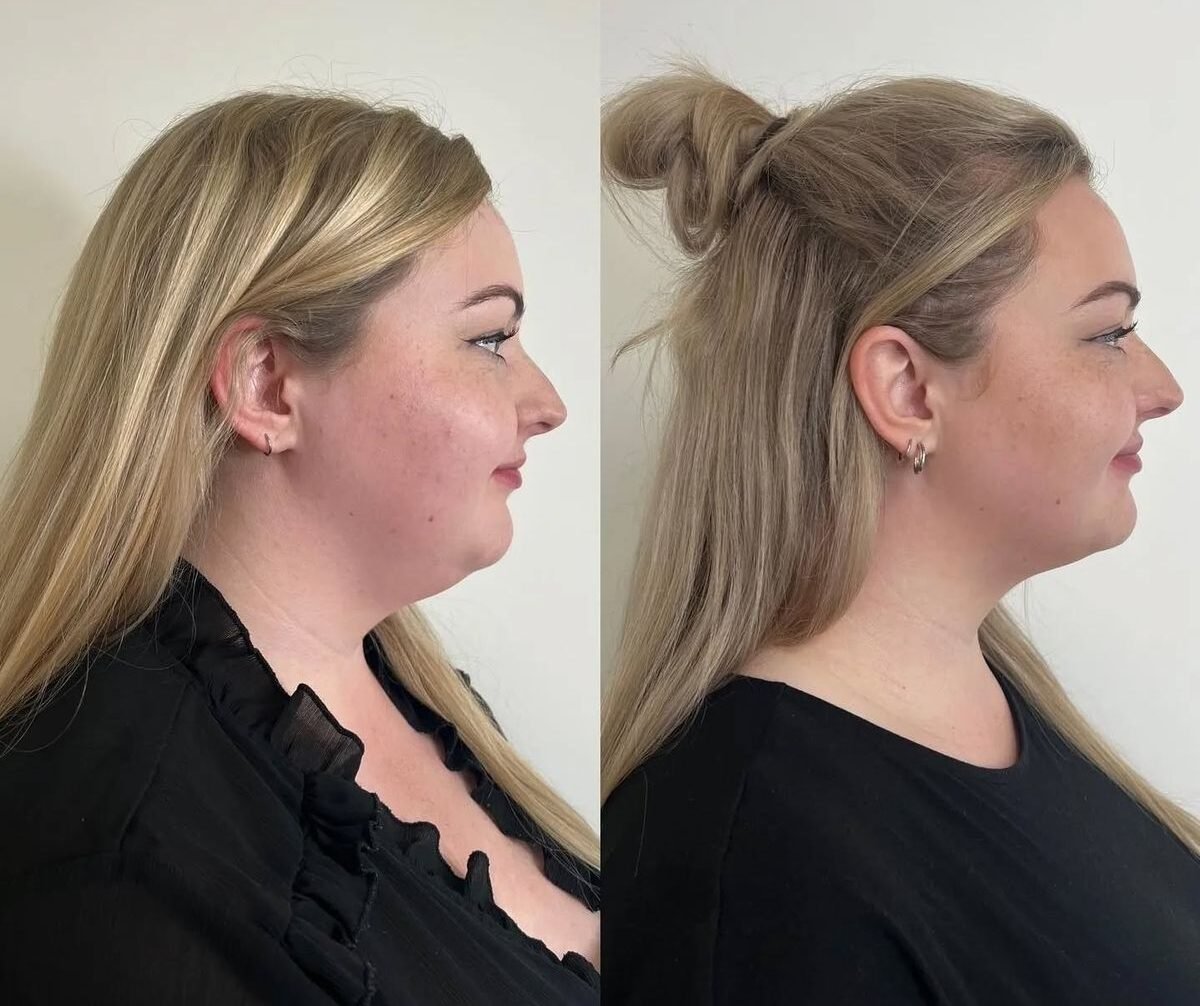
A well-defined chin does more than balance your face. It frames your entire profile, sharpens your jawline, and projects a quiet confidence that people notice. Yet, genetics do not always cooperate. Chin filler has become one of the most requested non-surgical aesthetic procedures worldwide precisely because of how much it achieves without a single incision.
Whether you are a licensed professional sourcing products for your clinic or someone researching how this treatment works before booking an appointment, this guide answers every practical question. You will also find out where to buy authentic, high-quality dermal fillers from a trusted supplier.
What Exactly Is Chin Filler?
Chin filler refers to injectable dermal filler placed along the chin and lower face to add projection, improve symmetry, or sharpen definition. Most chin filler treatments use hyaluronic acid (HA), a naturally occurring substance in the body that attracts and holds water, giving tissue a smooth and lifted appearance.
According to the American Academy of Dermatology, hyaluronic acid fillers are among the most widely used injectable treatments because of their safety profile and reversibility. If a patient ever wants to reverse the result, a practitioner injects hyaluronidase to dissolve the filler safely.
Products used for chin augmentation include trusted brands such as Juvederm, Restylane, and Radiesse, each with specific formulations suited to deeper structural work in the lower face.
Why So Many People Choose Chin Filler Over Surgery
Surgical chin implants require general anesthesia, a recovery period of several weeks, and a permanent commitment. Chin filler, by contrast, takes around 15 to 30 minutes in a clinical setting, requires no downtime, and produces visible results immediately. The table below lays out the key differences side by side.
| Factor | Chin Filler (Non-Surgical) | Chin Implant (Surgical) |
|---|---|---|
| Procedure time | 15–30 minutes | 1–2 hours |
| Downtime | Minimal (24–48 hrs) | 2–4 weeks |
| Results duration | 12–24 months | Permanent |
| Reversibility | Yes (hyaluronidase) | No |
| Anesthesia | Topical only | General |
| Cost range | Lower | Significantly higher |
The flexibility of filler makes it especially popular among professionals who need to look polished and prepared without extended recovery periods. It also suits anyone exploring facial contouring for the first time, since adjustments remain possible after each treatment session.

The Connection Between Chin Filler and Jawline Definition
Chin filler never works in isolation when it comes to overall facial balance. Most experienced injectors treat the chin alongside the jawline as a single aesthetic unit. Adding volume or projection to the chin naturally pulls the jawline tighter and creates the kind of angular definition associated with youth and health.
This combined approach, sometimes called lower face contouring, uses jawline filler along the mandible and chin filler at the apex to sculpt a cohesive, balanced result. Patients who also address mild cheek volume loss with cheek filler often achieve the most harmonious outcome, as the mid-face and lower face work together visually.
The American Society of Plastic Surgeons notes that non-surgical chin augmentation continues to grow in popularity as patients look for proportionate facial balance without surgery. For practitioners building out their injectable menus, stocking a range of dermal fillers suited to different facial zones gives clients better outcomes and drives stronger retention.
How to Choose the Right Chin Filler Product
Not all face fillers perform the same way in the lower face. The chin requires a product with enough cohesivity and lift capacity to support structural changes rather than simply add superficial softness. Here is what to look for when selecting a product:
- High G-prime (G’) formulations — These provide firmer support and better lift, ideal for chin projection and jawline definition.
- Longer cross-linking — Products with more cross-linked hyaluronic acid last longer under areas of movement like the chin and jaw.
- Reputable manufacturer — Stick to globally recognized brands with CE marking or equivalent regulatory approval in their market.
- Correct needle gauge and cannula options — Lower-face treatments often work best with a blunt-tip cannula to minimize bruising near the mental artery.
- Lidocaine-included formulas — Many modern fillers include lidocaine to improve patient comfort during injection.
Products such as Teosyal RHA and Revanesse Contour are specifically formulated for structural contouring in the lower face. Radiesse, a calcium hydroxylapatite filler, also performs well for deep chin projection due to its biostimulatory properties.
Who Qualifies for Chin Filler Treatment?
Chin filler works across a broad range of concerns. Practitioners commonly recommend it for:
- Patients with a naturally recessed or short chin seeking more projection
- Adults experiencing age-related bone resorption in the lower face
- Individuals who have lost facial volume after significant weight changes
- Clients preparing for events who want a sharper, more refined profile quickly
- Patients correcting minor asymmetry in the chin or lower jaw
- Post-weight-loss patients dealing with a hollowed or softened facial structure
A thorough pre-treatment consultation allows the injector to assess bone structure, skin quality, and the patient’s aesthetic goals. This step determines which product, how much volume, and the ideal injection technique for each individual case.

What to Expect During and After Treatment
A standard chin filler session begins with cleansing the treatment area and applying a topical numbing cream. The injector marks key injection points based on the patient’s anatomy and desired outcome. Most clinicians use a combination of needle and cannula technique to place product deep along the periosteum of the chin.
After the session, patients typically experience:
- Mild swelling and occasional bruising for 24 to 72 hours
- Slight tenderness at the injection site for a day or two
- Visible improvement in chin projection and shape immediately
- Final, settled results within 7 to 14 days as any swelling resolves
Following standard aftercare instructions — avoiding strenuous exercise for 24 hours, staying upright, and not massaging the treated area — reduces the risk of product migration and optimizes results. Results from HA-based chin filler typically last between 12 and 18 months depending on the product and the individual’s metabolism.
“Proper product selection and precise injection technique together determine the quality of a chin filler outcome far more than volume alone.”
Where to Buy Chin Filler Online Safely
For licensed aesthetic practitioners and clinic owners, sourcing authentic products from a reliable supplier matters enormously. Counterfeit or improperly stored fillers pose serious risks to patients and expose clinicians to significant legal and professional liability.
Filler Supply Store stocks a curated selection of premium fillers sourced directly from reputable manufacturers. Every product on the platform comes from regulated production facilities, ensuring authenticity, correct cold-chain storage, and proper documentation.
The store carries leading brands including Belotero, Juvederm, Restylane, Radiesse, Teosyal, and Revanesse — giving practitioners access to the full spectrum of formulations needed for comprehensive facial treatment menus. The ordering process stays straightforward: browse, select, and complete the steps outlined on the How To Buy page.
The platform also maintains a transparent Shipment Policy, so practitioners know exactly what to expect regarding delivery timelines, packaging standards, and temperature-sensitive handling. Questions at any stage get answered through the Contact Us page, where the team responds promptly to professional inquiries.
The U.S. Food and Drug Administration provides clear guidance on what constitutes an approved dermal filler, which makes it easy for practitioners to cross-reference any product before purchasing. Buying only from verified suppliers with proper documentation is a non-negotiable standard of professional practice.
Building a Complete Lower Face Treatment Protocol
Experienced injectors know that the chin is rarely treated in isolation. A complete lower face protocol addresses the jawline, chin, prejowl sulcus, and sometimes the oral commissures as a coordinated plan. This approach delivers results that look naturally balanced rather than targeted or overdone.
The table below summarizes a typical multi-zone lower face treatment and the product characteristics suited to each area.
| Treatment Zone | Product Type | Primary Goal |
|---|---|---|
| Chin apex | High G-prime HA or Radiesse | Projection and length |
| Jawline (mandible) | High cohesivity HA | Definition and angularity |
| Prejowl sulcus | Medium-density HA | Volume restoration, lift |
| Cheek (malar) | Volumizing HA | Mid-face support |
Practitioners who take this comprehensive approach give patients more noticeable and longer-lasting results. Stocking a variety of formulations from the shop ensures the clinic always has the right tool for the right zone.
Ready to source premium chin filler and jawline products for your clinic? Shop Dermal Fillers Now