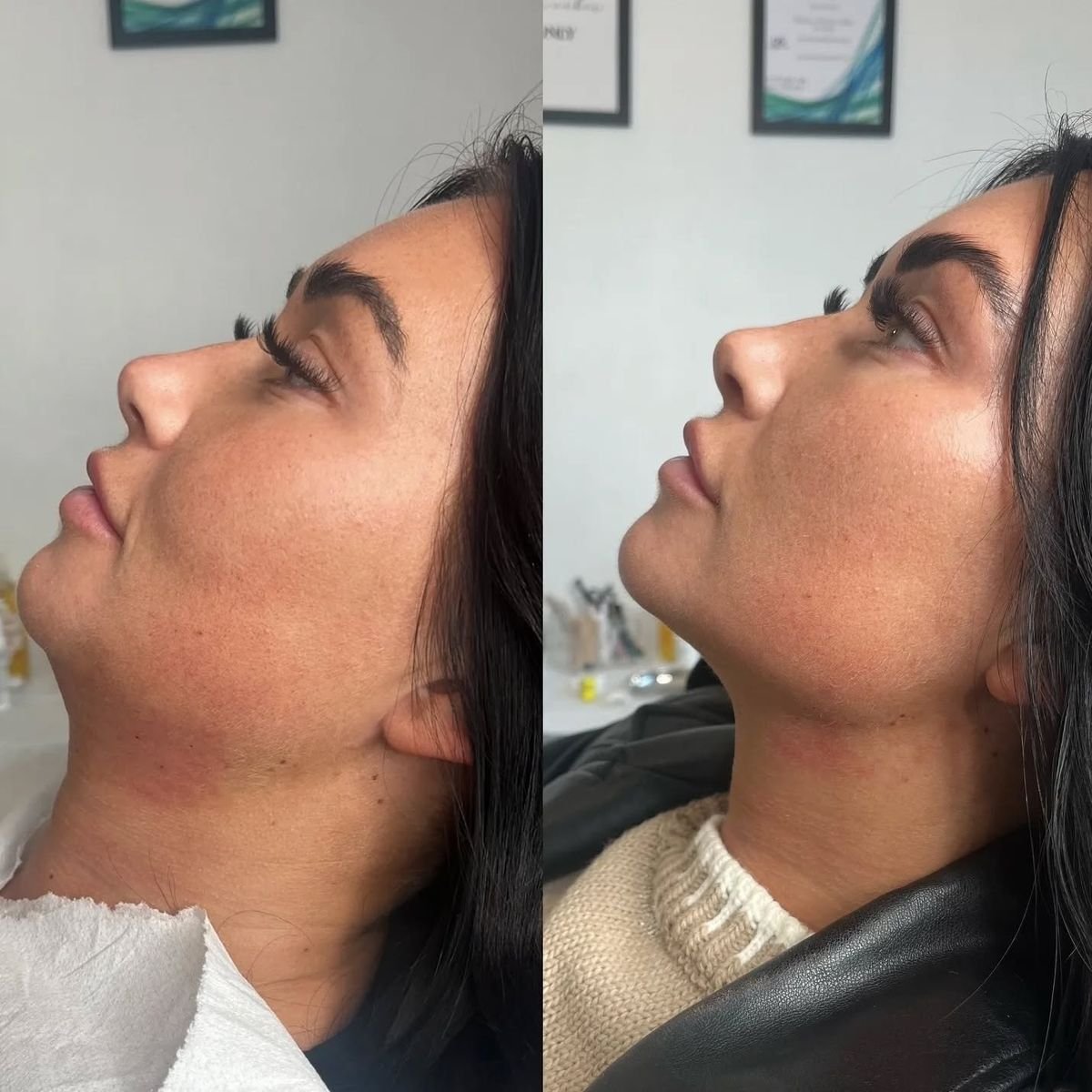
A complete breakdown of facial volume pricing, what shapes the total investment, and how to make the smartest choice for your skin.

Cheekbones frame the face. When they lose definition, whether from age, weight shifts, or genetics, the entire face reads as flatter and more fatigued. Cheek fillers address this directly, restoring volume and structure without surgery. For anyone exploring this treatment, the first real question is always the same: how much do cheek fillers cost, and what exactly goes into that number?
This guide walks through everything clearly, from average price ranges to the specific factors that push a quote higher or lower, so you walk into any aesthetic consultation with full confidence.
What Cheek Fillers Are and Why People Get Them
Cheek fillers are dermal fillers injected into the mid-face to add volume, lift, and contour. Most use hyaluronic acid (HA) as the active ingredient because HA occurs naturally in the body, making it well-tolerated and reversible. Some providers use calcium hydroxylapatite-based products, such as Radiesse, for longer-lasting structural results.
People seek this treatment for several clear reasons:
- Age-related volume loss that flattens the mid-face
- Facial hollowing after significant weight loss
- Natural asymmetry they want to soften
- Enhanced contouring without surgical intervention
- A refreshed look before a major event or career milestone
According to the American Society of Plastic Surgeons, soft-tissue filler procedures consistently rank among the most-performed non-surgical cosmetic treatments in the US, with millions of procedures performed each year. That popularity reflects both proven results and growing accessibility.
Average Cheek Fillers Cost in 2025
Cheek fillers cost varies widely based on location, provider credentials, and product type. Understanding the general ranges helps you evaluate quotes and avoid unrealistic expectations on either end of the spectrum.
| Treatment Scope | Estimated Cost (USD) | Notes |
|---|---|---|
| Subtle volume (0.5–1 syringe) | $400 – $800 | Light enhancement, early volume loss |
| Moderate contouring (1–2 syringes) | $800 – $1,600 | Most common treatment range |
| Full facial volume restoration | $1,600 – $3,000+ | Multiple areas, advanced correction |
| Combination cheek + jawline | $1,200 – $2,800 | Package pricing often available |
These figures reflect the full dermal filler treatment cost, including the product, the injector’s fee, and post-treatment care guidance. They do not account for follow-up touch-ups, which providers sometimes offer at reduced rates.

Six Factors That Shape the Final Price
No two treatment plans are identical. The following factors directly influence what you pay for cheek fillers, and understanding each one helps you decode any quote you receive.
1. Provider Expertise and Credentials
A board-certified plastic surgeon or experienced aesthetic dermatologist commands higher aesthetic clinic fees than a newly trained injector. That premium reflects years of anatomical knowledge, precise technique, and a safety record. For facial contouring specifically, expertise makes a measurable difference in the quality of the result.
2. Geographic Location
Clinics in major metropolitan areas, such as New York, Los Angeles, or Miami, charge significantly more than practices in smaller cities. Overhead costs, local competition, and clientele expectations all drive this gap. Rural and suburban markets often offer more accessible pricing without compromising on quality.
3. Type and Brand of Filler Used
Premium filler brands carry a higher per-syringe cost, and that reflects in the total treatment price. Hyaluronic acid-based options like Juvederm or Restylane are widely used for cheek augmentation because of their natural-looking lift and established safety profiles. Structural fillers like Radiesse offer longer duration but differ in consistency and technique requirements.
4. Volume of Product Required
More volume loss means more product. Providers measure filler in syringes (typically 1ml each), and the number of syringes determines a significant portion of the total cheek fillers cost. A first-time patient with mild volume loss may need one syringe per side, while someone addressing pronounced hollowing or combining treatments may need three or more.
5. Clinic Setting and Amenities
Medical spas often price lower than hospital-affiliated plastic surgery clinics. The setting affects both overhead and perceived value. Neither is inherently superior, but the provider’s qualifications matter more than the facility’s decor.
6. Customization and Combination Treatments
Providers who offer a bespoke approach, mapping each treatment to your specific facial structure and goals, tend to charge more. Combining cheek fillers with Botox or lip filler in one session often reduces the per-treatment price through package rates.
Worth knowing: The cheapest quote is rarely the wisest choice in aesthetic medicine. Facial anatomy is complex. An underdosed or poorly placed filler costs more to correct than a well-executed treatment costs upfront.
How Long Results Last and What That Means for Your Budget
Cheek fillers with hyaluronic acid typically last 12 to 18 months, though individual metabolism, product type, and injection depth all influence duration. Some structural products last up to 24 months. When you frame the facial volume pricing over time, the annual cost often works out to far less than it appears upfront.
For example, a treatment costing $1,200 that lasts 18 months works out to roughly $66 per month. That perspective shifts how many people evaluate the investment.
According to research published in the National Library of Medicine, hyaluronic acid fillers demonstrate consistent safety and patient satisfaction over repeated treatment cycles, reinforcing their position as the standard for non-surgical facial contouring.
Comparing Popular Filler Brands for Cheek Treatments
Choosing the right product is a clinical decision your provider makes based on your anatomy, but knowing the major options helps you ask better questions during consultation.
| Filler Brand | Base Ingredient | Typical Duration | Best For |
|---|---|---|---|
| Juvederm Voluma | Hyaluronic Acid | Up to 24 months | Deep cheek volume and lift |
| Restylane Lyft | Hyaluronic Acid | 12–18 months | Mid-face volume and definition |
| Radiesse | Calcium Hydroxylapatite | 12–18+ months | Structural lift, collagen stimulation |
| Teosyal RHA | Resilient Hyaluronic Acid | 12–18 months | Dynamic areas, natural movement |
| Stylage XXL | Cross-linked HA | 12–15 months | High-volume facial augmentation |
Explore the full range of available options at Filler Supply Store’s online shop, where authentic products from reputable manufacturers are available at competitive prices.

What to Watch Out for When Comparing Prices
The aesthetic industry includes providers with vastly different training levels and business models. Some price signals are worth paying close attention to before booking.
Red Flags in Low-Cost Offers
- No visible credentials or licensing on the clinic’s website
- Vague descriptions of the product being used
- No consultation process before treatment
- Prices that fall significantly below local market rates
- Pressure to book immediately through limited-time offers
Signs of a Trustworthy Provider
- Clear display of medical qualifications and training
- Named products with verifiable brand credentials
- A structured consultation before any treatment plan
- Before-and-after photos from actual patients
- Transparent breakdowns of what the quoted price includes
Non-surgical contouring delivers real results when administered correctly. The provider matters as much as the product, and a structured approach to choosing both protects your investment and your safety.
Making Your Treatment Plan Work Financially
Many clinics offer financing options, which spread the cost of a treatment over several months. This approach makes premium providers more accessible without requiring the full payment upfront. Some also offer loyalty programs or discounted touch-up sessions for returning patients.
A few practical steps help you plan confidently:
- Book consultations with two or three providers to compare assessments and pricing
- Ask specifically what product the provider recommends and why
- Request an itemized quote that separates product cost from injector fees
- Ask about touch-up policies and whether the price includes any follow-up care
- Check whether the clinic uses authentic, manufacturer-sourced products
For medical professionals and clinics looking to source premium-quality fillers at competitive wholesale pricing, Filler Supply Store provides authenticated products from established global manufacturers. Learn more about purchasing terms through the How to Buy page or review the Shipment Policy for delivery details.
The True Value of Getting Cheek Fillers Right
Cheek fillers done well do not shout for attention. They restore a quality that faces often lose gradually, a sense of lift, structure, and freshness that registers as looking well rather than looking altered. For patients who want this outcome, the investment reflects both the expertise of the provider and the quality of the materials used.
Choosing a provider based on credentials, choosing a product based on clinical evidence, and understanding the full cost picture before you begin positions you to achieve results that last and feel worth every part of the investment.
Whether you are new to the world of aesthetic treatments or planning a follow-up after an earlier session, knowing what drives cheek fillers cost puts you in the best position to make a decision grounded in both confidence and clarity.
Ready to Source Premium Fillers?
Filler Supply Store offers authentic dermal fillers from globally trusted manufacturers, with competitive pricing and reliable shipping.